Indigenous Peoples' Day in Dana Point: The Acjachemen Story Behind Our Coastline
Stand on the bluffs above Dana Point Harbor on a clear fall morning and you are looking at one of the most photographed stretches of the Orange County coast. You are also looking at Acjachemen homeland. Long before this was a harbor town, a surf town or a resort destination, the Acjachemen people fished these waters, gathered along these creeks and named this land. They still call it home. The Acjachemen are not a chapter in Dana Point's past. They are a living community whose families, language and traditions are part of South Orange County today.
For Indigenous Peoples' Day,we sat down with Nathan Keith Banda, tribal chairman of the Juaneño Band of Mission Indians, Acjachemen Nation, to ask what visitors should understand about the land they are standing on. Here is what he shared, along with answers to the questions travelers ask most about the day and a simple creek-to-coast route for learning Acjachemen history in person.
What Is Indigenous Peoples' Day?
Back to Top of ListIndigenous Peoples' Day is observed on the second Monday in October to recognize the histories, cultures and ongoing contributions of Native nations across the Americas. The idea was first proposed in 1977 at a United Nations conference on discrimination against Indigenous populations, and Berkeley, California, became the first U.S. city to adopt it in 1992.
For Chairman Banda, the day is about visibility. He likens it to a birthday: one day on the calendar that gives everyone a reason to pay attention, even though the identity it celebrates is lived every single day. "For us, it allows us to tell our story about our ancestors, who we are, who our people are, and where we're going," he says. And the part he most wants people to remember: "Every day is Indigenous Day for us."
Who Are the Acjachemen?
Back to Top of ListThe Acjachemen (also spelled Acjachemem) are the original people of the land that is now Orange County, including Dana Point, San Juan Capistrano and the surrounding coast and canyons. After Spanish missionaries founded Mission San Juan Capistrano in 1776, the Acjachemen came to be called "Juaneño" after the mission, which is why both names are used today.
Chairman Banda says his people have lived here for more than 10,000 years, and that the landscape itself is a reminder of those roots. The ocean, the creeks that feed it and the bluffs above the water are more than scenery. They carry Acjachemen stories, foods, materials and identity. Dana Point's own story, from hide trading to surf culture, was built on top of this much older foundation.
In His Words: A Conversation With Chairman Nathan Banda
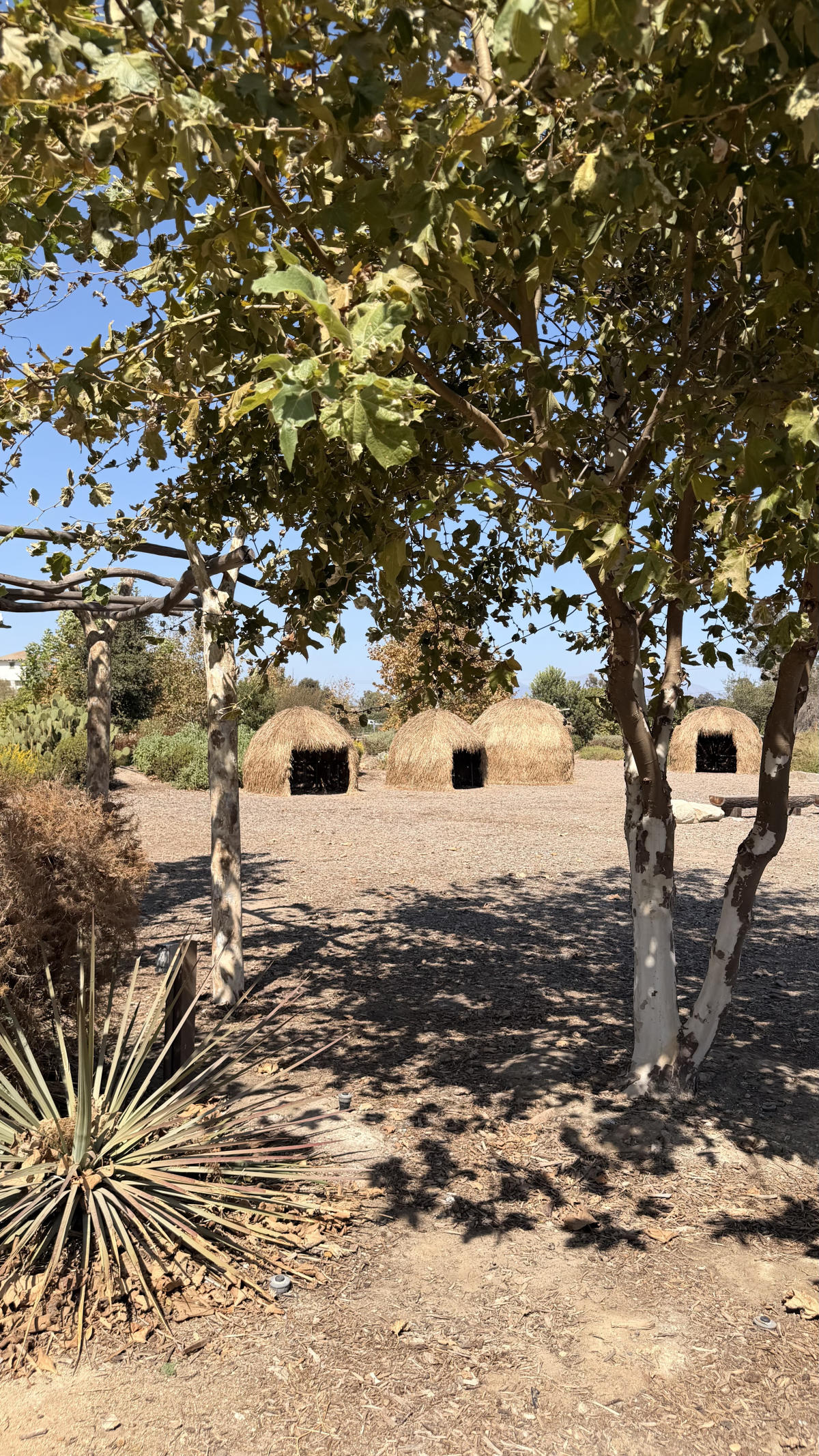
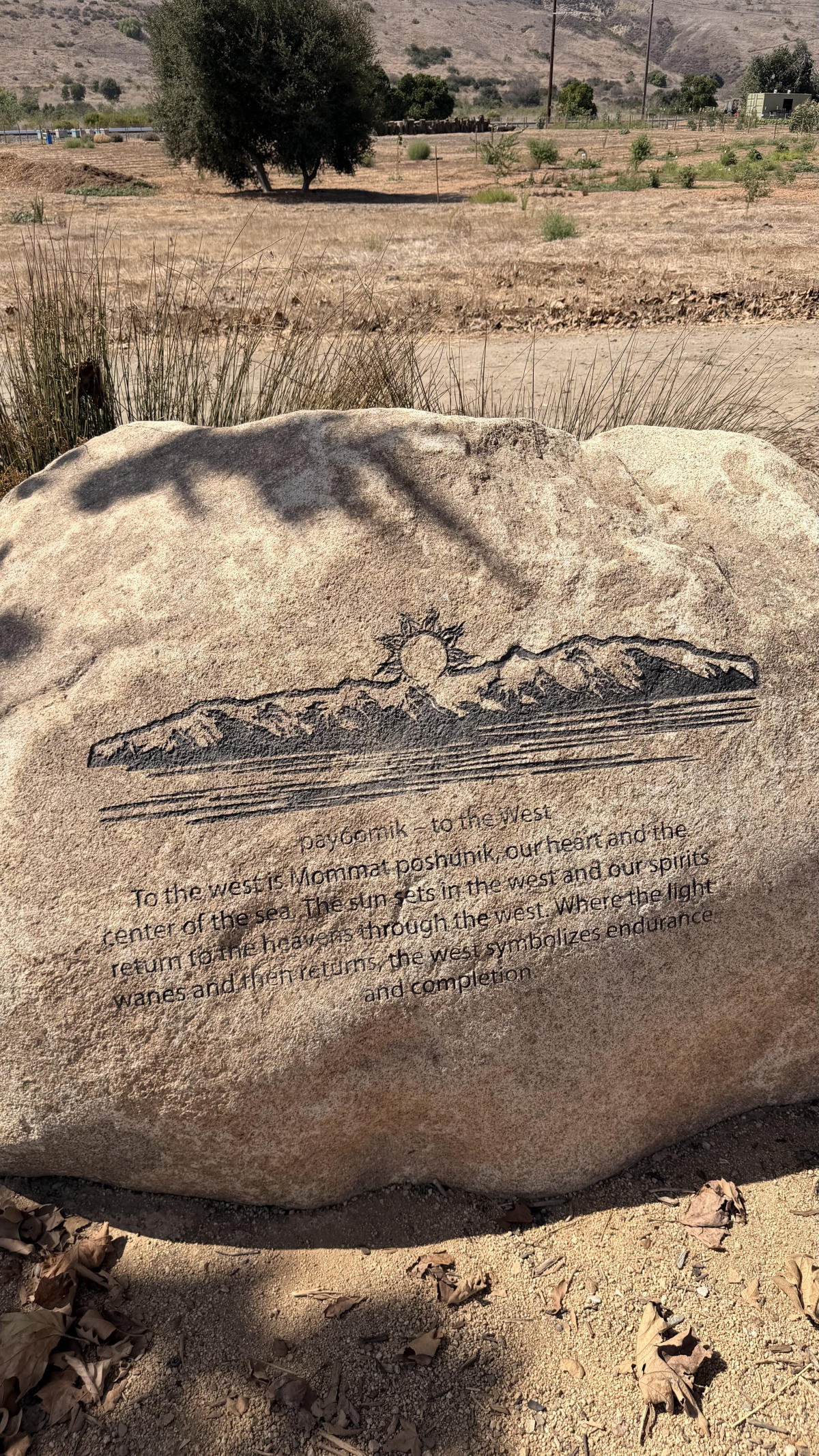
Back to Top of ListThe tribe has partnered with organizations across its traditional territory to share Acjachemen history and culture with the public. Banda points to a partnership with the City of San Juan Capistrano that brought tule-grass hut replicas, ramadas, educational signage, cultural stories and information about traditional Native plants into a public space where anyone can visit and learn.
Language that connects generations
Language revitalization is one of the nation's top priorities. Banda describes language classes as a bridge between elders and younger tribal members, and says one of the most rewarding parts has been watching participants build a deeper sense of connection and pride in who they are.
Traditions in their hands
Alongside language, basket weaving remains central. "The other thing is our basket weaving, really important for the nation to make sure that we're keeping those traditions alive and not letting them die out," Banda says.
Recognition close to home
Banda also shared that the City of Dana Point has reached out to the tribe about new ways to recognize Acjachemen history within city limits. "It's really exciting to see a city really pay tribute and honor the first people," he says.
Follow the Water: A Creek-to-Coast Day of Acjachemen History
Back to Top of ListHere is a way to experience this land as one connected place, from inland village to open ocean. San Juan Creek runs out of the hills, through San Juan Capistrano and into the Pacific at Doheny State Beach in Dana Point. Spend a day following it.
1. Start inland at Putuidem Village
Putuidem Village is a cultural park in San Juan Capistrano's Northwest Open Space, opened in 2021 on a portion of the ancestral Acjachemen village of Putuidem. Walk the path, read the interpretive signs and notice the native plants. It remains a gathering place for Acjachemen families, so visit quietly and treat it as you would any sacred site. Address: 30291 Camino Capistrano, San Juan Capistrano.
2. See the history inside Mission San Juan Capistrano
At Mission San Juan Capistrano, the Native American exhibit room covers Acjachemen origins, foods, plant uses, music, basketry and ceremonies, and a grinding stone on the grounds shows where acorns were prepared as food. Look for basket-weaving demonstrations by Acjachemen weavers during special events. Chairman Banda is also one of the Mission's official bell ringers, and the Mission has marked Indigenous Peoples' Day with a special bell ringing, so check the Mission's calendar before you go.
3. Follow the creek to the coast at Doheny
Head toward the ocean and finish where San Juan Creek meets the surf at Doheny State Beach. Cyclists can ride the San Juan Creek Trail most of the way. Standing at the creek mouth, it is easy to see why this meeting of fresh water, shoreline and sea has drawn people for thousands of years.
4. Watch the sun set from the Headlands
End the day on the trails of the Dana Point Headlands Conservation Area, where protected coastal habitat and wide ocean views offer a quiet place to reflect on how long people have called this coastline home. Want more time outside? Browse Dana Point's walking trails.
How to Celebrate Indigenous Peoples' Day in Dana Point
Back to Top of List- Learn whose land you are on. Dana Point is Acjachemen land. Start with the tribe's own history page.
- Listen to Indigenous voices first. Look for programs, talks and videos led by Acjachemen storytellers and educators, including the Mission's "In Our Voice" series featuring Chairman Banda.
- Visit cultural sites with care. Stay on marked paths, leave stones, shells and plants where you find them, ask before photographing people or ceremonies, and travel lightly wherever you explore.
- Buy Native-made. The tribe's website includes an online marketplace and directory for Acjachemen-owned businesses and artists.
- Support cultural programs. Learn about the nation's work in basket weaving, language and cultural resources, and look for ways to contribute.
- Keep learning in November. Native American Heritage Month is a natural time to come back and go deeper.
Looking Ahead
Back to Top of ListChairman Banda also spoke about the nation's long pursuit of federal recognition, an effort that has spanned decades. The Juaneño Band of Mission Indians, Acjachemen Nation's petition for federal acknowledgment remains in process with the Bureau of Indian Affairs. For visitors, it is a reminder that Acjachemen history is not finished. It is being written right now by the people living it.
When is Indigenous Peoples' Day 2026?
Indigenous Peoples' Day 2026 is Monday, October 12, 2026. It falls on the second Monday of October every year.
Is Indigenous Peoples' Day a federal holiday?
The federal holiday on the second Monday in October is officially Columbus Day. Indigenous Peoples' Day received its first presidential proclamation in 2021, and many states, counties and cities, including the City and County of Los Angeles, now recognize Indigenous Peoples' Day on that date.
Is Indigenous Peoples' Day a holiday in California?
California's governor has issued an annual proclamation recognizing Indigenous Peoples' Day since 2019, but it is not an official state holiday, so state offices stay open. California's official state holiday honoring Native peoples is Native American Day, observed on the fourth Friday in September.
Is it Columbus Day or Indigenous Peoples' Day?
Both fall on the same Monday. Which name is used depends on where you are, and a growing number of communities, including many across Southern California, observe the day as Indigenous Peoples' Day.
What Native American tribe lived in Orange County?
The Acjachemen are the original people of southern and central Orange County, including Dana Point and San Juan Capistrano, and they continue to live here today. Tongva homelands extend into the northern part of the county.
How can I celebrate Indigenous Peoples' Day near Dana Point?
Follow the creek-to-coast route above, check Mission San Juan Capistrano's calendar for cultural programs, and browse the Dana Point events calendarL15 for what is happening while you are in town.