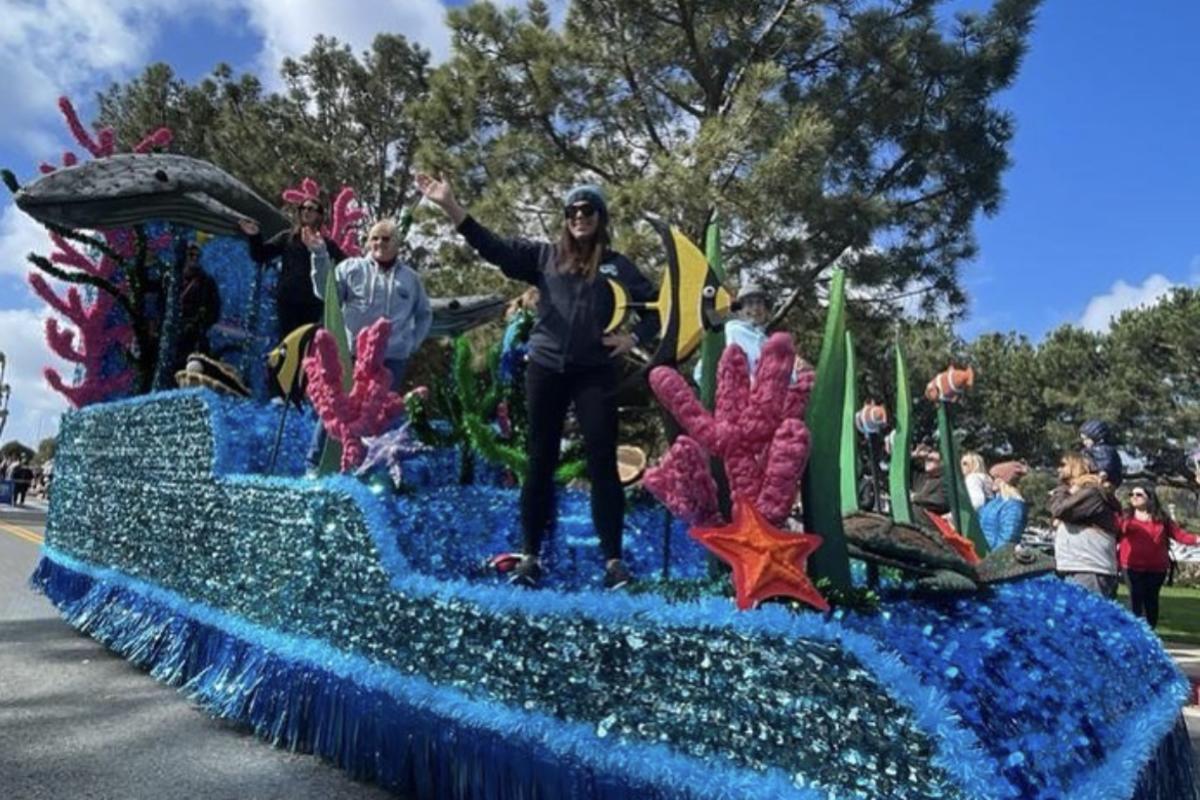
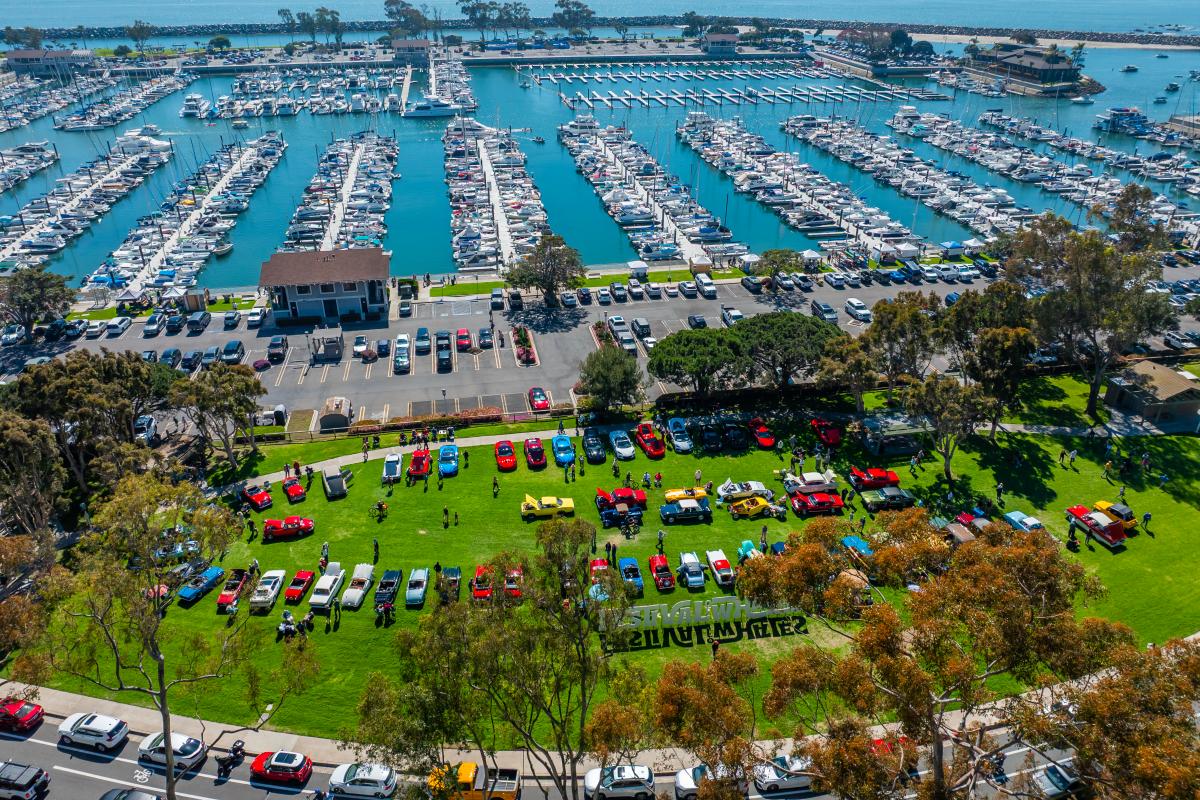
Gray whales make one of the longest migrations of any mammal. According to NOAA Fisheries, they travel about 10,000 miles round trip, and some cover more than 14,000, between Arctic feeding grounds and the warm lagoons of Baja California. From mid-February to May, they head north along the West Coast, right past Dana Point. Most towns celebrate a comeback after it happens.
Dana Point started celebrating before anyone knew there would be one. When Hansen, who founded Dana Wharf Sportfishing and helped bring recreational whale watching to Southern California, organized the first festival, the gray whale's future was uncertain. The population was not removed from the Endangered Species Act list until 1994. The festival has been there for every chapter of the recovery. That story is still being written. NOAA estimated the population peaked at about 27,000 whales roughly a decade ago, then declined. Its 2025 count of about 13,000 was the lowest since the 1970s, close to where things stood when the first festival was held.
The newest 2025/2026 survey showed an apparent increase, though scientists are still studying what is behind it. That makes the 2027 festival a hopeful one, and a good reminder of why this town has never skipped the party